The starting list
What kayak accessories do I need?
The required three and the useful five, each with a live price beside it.
Section
Complete kits, costed line by line against live prices. The legal minimum, a comfortable first season, and the list for a boat that has been sitting in a yard.
Disclosure: we earn a commission if you buy through the links on this page, at no extra cost to you. It does not change which products we pick or how we rank them. How this site is funded.
The starting list
The required three and the useful five, each with a live price beside it.
The legal minimum
The three items federal rules require, priced — and nothing else.
The first season
Legal minimum plus what keeps you paddling — eight lines, priced.
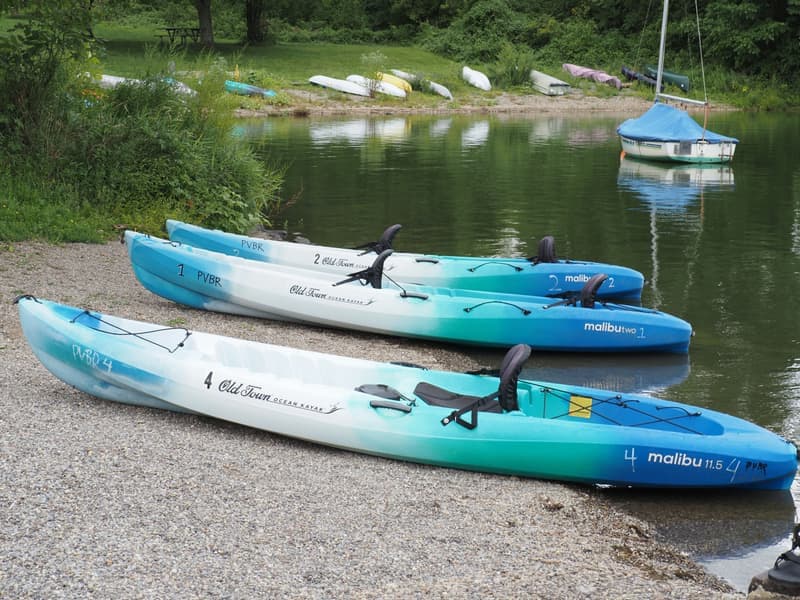
The neglected boat
For a neglected hull: what perished, what is missing, what to check first.
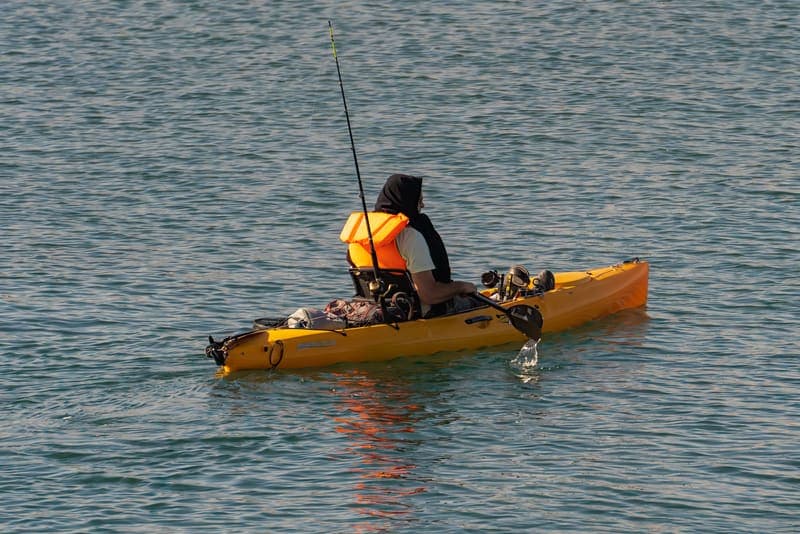
Best fishing kit
The bill of materials for making a bare used boat fishable, in buying order.
This section exists because of a gap. We read eleven kayak gear sites before building this one. Every one of them reviews accessories one category at a time. Not one of them answers the question a used-boat buyer actually asks, which is: I just paid a few hundred dollars for a second-hand kayak. What do I need, and what is the whole thing going to cost me?
So that is what these pages do. Each one is a bill of materials with every line priced from live retailer data, a running total, and — just as importantly — a list of what the kit deliberately leaves out and why.
The legal minimum is the shortest list on the site: what federal rules require you to have on board, and nothing else. A wearable approved PFD per person, a sound-producing device, and a white light if there is any chance of being out after sunset. It is a genuinely small number, and a lot of people are surprised by how small.
The first season kit is the legal minimum plus the things that decide whether you keep paddling: a paddle that is the right length, a way to get the boat from the car to the water, a way to keep your phone dry, and a seat arrangement that does not end the trip after an hour. This is the honest answer to “what do I actually need.”
The rescue kit is for a boat that has been sitting behind a garage for six years. It assumes nothing is included, some hardware has perished, and the previous owner took the seat. It is the most expensive of the three and it is still cheaper than a new boat.
Every line item on a kit page links to the roundup it came from, so you can see why that specific product is on the list and what the alternatives were. Nothing is on a kit list that we have not written about somewhere else.
Prices come from the live price layer and carry a visible verification date. When we have not verified a price recently, the line shows “check price” and the total says so, rather than quietly using an old number. This is the whole reason the site exists: a total made of stale figures is worse than no total, because it looks authoritative and is wrong.
What these kits are not is a shopping list you have to buy in one go. Almost nobody does. The order matters more than the total — which is why each kit is sequenced by what stops you going out on the water, not by price.
The most common budgeting mistake with a used kayak is treating the purchase price as the cost. It is usually somewhere between half and two-thirds of what you will spend before you have a boat you enjoy using.
That is not a warning against buying used — a second-hand hull plus good gear beats a new package deal with a bad paddle almost every time. It is an argument for negotiating with the full number in mind. If the boat has no paddle, no PFD and a cracked seat, those are three separate purchases and they are legitimate points in a conversation about price. We put numbers on that on what a used kayak is worth.
None of these kits includes a fish finder, an anchor trolley, a spray skirt, outriggers or a roof rack system beyond the cheapest workable option. Not because those are bad, but because none of them is the difference between having a boat and using one, and a kit list that includes everything is a catalog rather than a recommendation.
Each kit page states its own omissions explicitly, with the reasoning. If you disagree with one, you will at least be able to see what we decided and why, which is more than a total on its own would give you.
The three kits above assume a recreational hull and a paddler who wants to go out on it. A second-hand fishing boat is a different bill of materials, because the paddle has to be longer for a wide hull, the vest has to clear a raised seat, and there is one purchase that has to come before all the others.
That purchase is the mounting point. Buy a rod holder first and you drill the deck for that holder in that place; fit a track first and every mount after it goes on with no drill at all. The full sequence, with the omissions listed as usual, is on the used fishing kayak kit.
And if you are buying any of this for somebody else, the constraint changes: most kayak gear is sized to a person or a hull, so a guess usually goes unused. What fits any paddler and any boat, and the four categories to avoid, is on gifts for kayakers.
FAQ
Legally, very little: one wearable Coast Guard-approved PFD per person, a sound-producing device such as a whistle, and a white light if you might be out after sunset.
Practically, the list that decides whether you keep paddling is longer: a correctly sized paddle, a way to move the boat from car to water, dry storage for a phone and keys, and a seat arrangement that survives more than an hour.
It depends on what the boat came with, which is why we publish three separate kits rather than one number: the legal minimum, a full first season, and a rescue kit for a neglected boat.
Every line is priced from live retailer data with a visible verification date. Where a price has not been verified recently the line reads 'check price' rather than showing a stale figure.
A used hull plus separately chosen gear usually beats a new package, because the paddle and PFD bundled into package deals are almost always the cheapest items the manufacturer could include.
The catch is that outfitting is typically a third to a half of your total spend, so negotiate the used boat with that whole number in mind rather than the sticker alone.
We have not tested any of this gear, and we say so on every page. What is here is compiled specifications, cited sources and live prices. Read the method.