
Best seat upgrade
The best kayak seat upgrades
Seats and cushions matched to the actual complaint — pressure or support.
Section
The boat floats. Now stop your back hurting, stop your phone getting wet, and work out which scratches actually matter.
Disclosure: we earn a commission if you buy through the links on this page, at no extra cost to you. It does not change which products we pick or how we rank them. How this site is funded.

Best seat upgrade
Seats and cushions matched to the actual complaint — pressure or support.

Best budget dry bag
Dry bags compared on published ratings and construction, not adjectives.
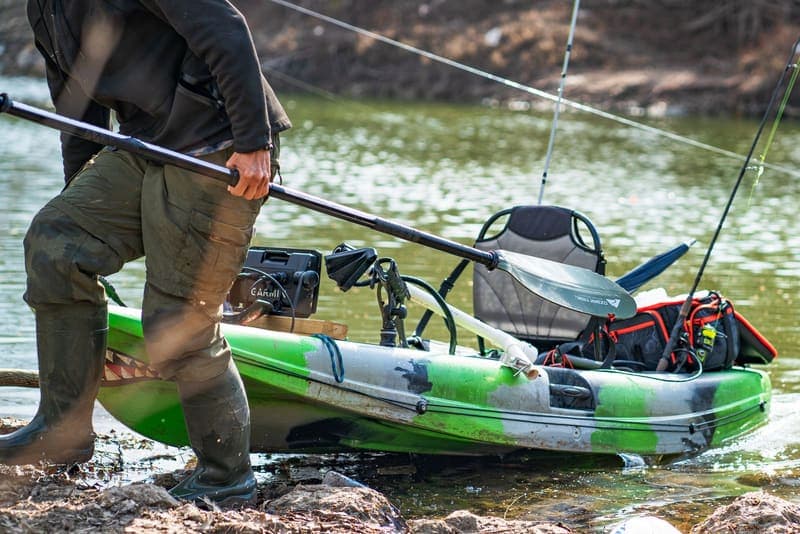
Best gear track
Tracks and rails compared on the hardware standard they accept, not the marketing.

Best seat for a bad back
Seats ranked on published back height and independent lumbar adjustment.
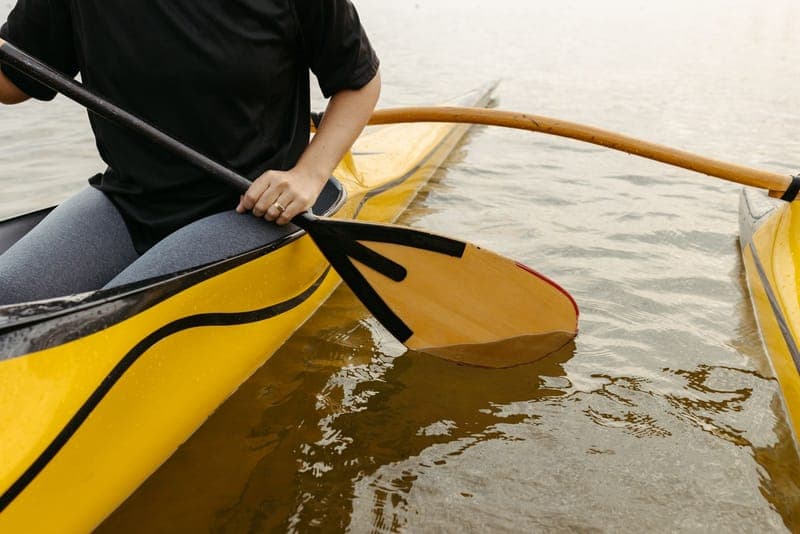
Best stabilizers
Outriggers on published buoyancy and mounting cost, and when not to buy any.

Best keel guard
Keel guards on material and bond, and the free fix that beats all of them.

Best replacement seat
Replacing a missing seat: attachment types first, then three that fit.

Best cup holder
Cup holders on mounting system and what is actually included.
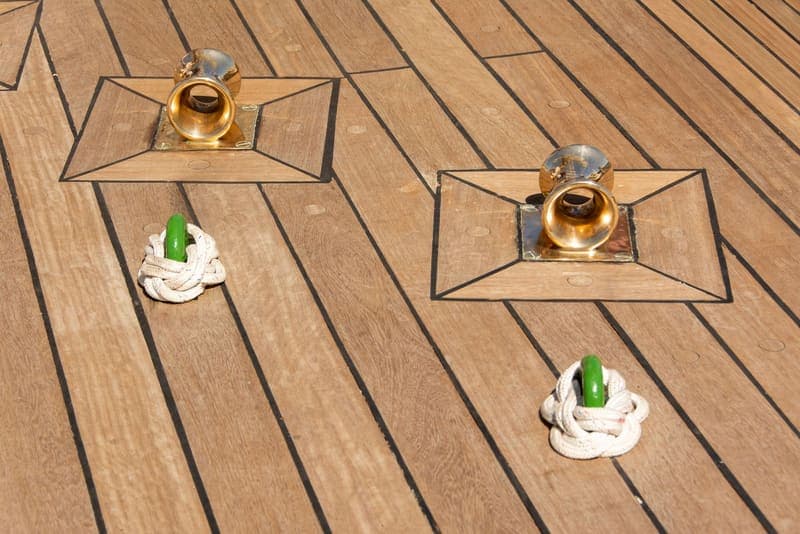
Best replacement parts
Handles, drain plugs and hatch covers, with the measurements to take first.
A second-hand kayak is usually sound and almost never comfortable. The previous owner either upgraded the seat and kept it, or never upgraded it because they only used the boat twice. Either way the thing you bought floats correctly and sits badly, and the fixes are cheap relative to what you already spent.
“The seat is uncomfortable” is two completely different complaints with two completely different price tags, and people routinely buy the wrong solution.
If your backside goes numb after 45 minutes, that is a pressure problem. You want a cushion. A gel pad like the Skwoosh — 13 ounces, an inch thick, with a non-skid base — sits on the seat you already own and solves it for a fraction of the price of a seat system. The non-skid base is the part that matters: cheap cushions slide out from under you on the first boat wake.
If your lower back aches and you find yourself slouching, that is a support problem, and no cushion in the world will fix it. You want a seat with a real back. The Surf to Summit GTS Elite publishes an 18-inch back panel with four independent tension locks, two for lumbar and two for forward lean. That separation is the useful part — most seats give you one strap and a shrug.
One interaction to watch: a tall seat back and a high-backed PFD fight each other. If you are adding a big seat, you want a vest with a mesh lower back, which is exactly what the paddle-specific PFDs in the PFD section provide.
Dry bags are where marketing language does the most damage, so read the rating rather than the adjective.
Earth Pak publishes an IPX6 rating on its roll-top bags. IPX6 means powerful water jets from any direction — rain, spray, a wave over the deck. It does not mean immersion. Roll-top closures keep water out when they are rolled at least three times and clipped, and they are not submarine hatches. If your phone absolutely must survive a capsize, that is a different product category and a different budget.
The other thing to look at is where the bag will fail, which is never the seam and always the base. Dry bags get dragged across concrete ramps and gravel, not sunk. That is why the SealLine Baja’s published construction — 19 oz vinyl sides on a 30 oz bottom — is a more meaningful spec than a headline rating. Heavier where it scrapes.
If you have a sit-on-top, it has holes through the hull. Those holes are called scuppers and they are a feature: water that comes over the side drains straight back out. Plugging them keeps you drier on flat water on a calm day.
Plugging them also keeps water in when a wave puts it there. On moving water or in surf, scupper plugs turn a self-draining boat into a bathtub, and that is a genuine safety issue rather than a preference. Buy them if you paddle flat water and dislike a wet backside. Take them out for anything else. Harmony’s published fit range is 1 inch to 1 3/8 inch scupper holes, so measure yours before ordering — there is no universal size.
Used polyethylene hulls come with cosmetic damage and it is mostly irrelevant. Deep gouges that have not gone through are fine. Surface scratches from years of being dragged up ramps are fine. Sun fade is cosmetic, although heavy UV exposure over many years does make plastic more brittle, so a chalky, badly faded hull is worth a closer look than a shiny one.
What is worth attention: soft spots, cracks that pass right through, deformation from being stored badly on a rack or strapped down with a ratchet, and any hardware that has pulled through the deck. We go through the checks on what to fix on a used kayak.
Finally, a bilge pump. If your boat has a cockpit rather than scuppers, there is no automatic way for water to leave it, and hand bailing with a cut-down bottle is slow enough to matter. Attwood publishes up to 8 gallons per minute for its hand pump — an order of magnitude above the small kayak-specific pumps, and volume is the entire point. Buy it, then make sure it lives under a deck bungee rather than in a hatch. A bilge pump you cannot reach while sitting in a swamped boat is decoration.
Everything above sits in the boat. The moment you want something attached to it — a rod holder, a fish finder, a phone, a light — you are deciding how many permanent holes a second-hand hull is going to end up with, and that decision is worth two minutes.
Look for a factory track first: most boats built in the last decade have one, and people routinely buy a second because they never found the first. Failing that, a single surface-mounted track costs one set of holes and then never costs another, and the spec that decides what will ever fit it is the hardware the slot accepts rather than anything in the listing photograph. We compare the standards, the published dimensions and the mounting itself in the gear track and accessory rail roundup.
Two related jobs on the same deck. The shock cord holding your pump down is a consumable, and on a boat that has lived outside it is finished — slack gray bungee holds nothing, and replacing it is the cheapest genuine fix on the boat. What diameter to buy, and how to fasten a pad eye to a hull you cannot reach inside, is on the deck rigging guide.
And if the boat is a sit-in, it almost certainly arrived without its spray skirt. Sizing one for a hull with no model badge left is the whole difficulty, and it is solvable with a tape measure if you buy a skirt sized by cockpit dimensions rather than by boat name — the spray skirt guide covers that, and what nylon gives up to neoprene.
And if the complaint that brought you here is specifically a bad back: back pain in a kayak has three causes and only one of them is fixed by a taller seat. Which one you have, the free fixes to try first, and the two seats with published back heights are on the best kayak seat for a bad back.
One upgrade we mostly talk people out of: outriggers. A hull that feels tippy is usually carrying you too high or loaded badly, and both are free to fix. If you genuinely need the extra beam — standing to cast, a dog aboard, a nervous passenger — only one system on the market publishes a buoyancy figure at all, and the mounting outlasts the floats. The stabilizer and outrigger roundup covers the free fixes first and then what each one costs your deck.
The other thing a second-hand hull arrives with is a worn stern. Nearly all of that is cosmetic, and the fix for the rest of it is a cart rather than a product — but if the keel is genuinely going thin, what sticks to polyethylene and what does not is on the kayak keel guard roundup.
Two more jobs specific to a boat someone else owned first. If the seat is missing or its straps have perished, replacing it is an attachment problem before it is a comfort one — kayak seat replacement starts with the four ways a seat can attach. And the small parts that perish before the hull does — handles, drain plugs, hatch covers — are on kayak replacement parts.
And the small comfort fitting nobody plans for: somewhere to put a drink. The holder costs a few dollars; what decides the purchase is which mounting system your deck already carries, which is the argument on the kayak cup holder roundup.
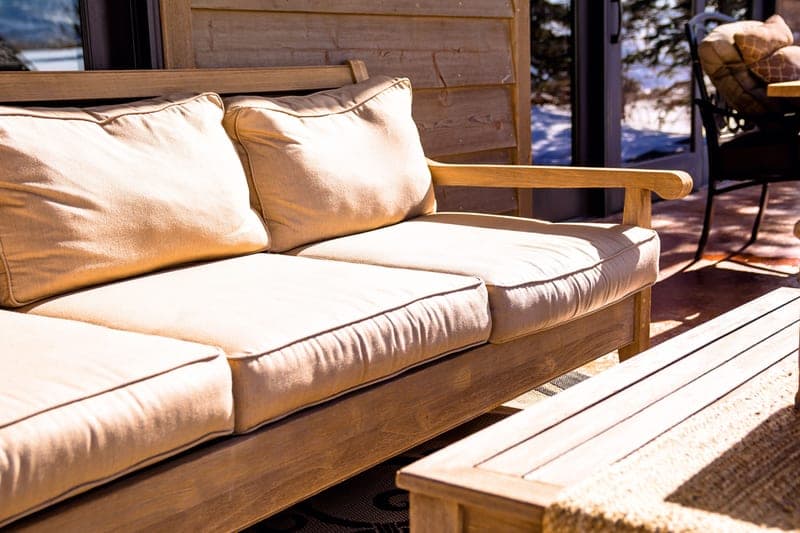
Head to head
How gel and foam behave over a long day, and which complaint each fixes.
Guide
Sizing, fitting, and the conditions where plugs become a hazard.

Guide
What matters on a second-hand hull, what is cosmetic, and what to walk away from.
Guide
Flow rates compared, and why stowage decides whether a pump is any use.

Guide
Sizing a skirt for a boat with no badge, and what nylon gives up to neoprene.
Guide
Replacing sun-dead deck cord and pad eyes, and sealing the holes correctly.
FAQ
The wrong question for a used-boat buyer, because you already own the hull. The productive question is which upgrade fixes your specific complaint.
Numb backside is a pressure problem and a gel cushion solves it cheaply. An aching lower back is a support problem and needs a seat with a real back panel — the Surf to Summit GTS Elite publishes an 18-inch back with four independent tension locks.
On flat, calm water, plugs keep you drier and there is no downside. On moving water or in surf, take them out.
Scuppers exist to drain the boat. Plugging them keeps water in when a wave puts it there, which turns a self-draining hull into a bathtub. That is a safety issue, not a comfort preference.
For rain, spray and a wave over the deck, yes. IPX6 is a rating against powerful water jets from any direction.
It is not an immersion rating. A roll-top bag keeps water out when it is rolled at least three times and clipped shut, not when it is upside down in a swamped cockpit. If the phone must survive a capsize, buy for immersion specifically.
We have not tested any of this gear, and we say so on every page. What is here is compiled specifications, cited sources and live prices. Read the method.