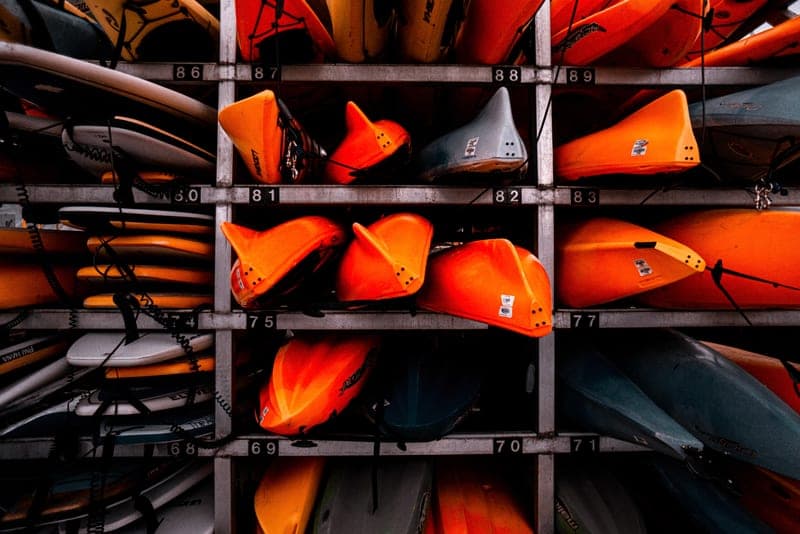
Best budget roof rack
The best budget kayak roof racks
Racks ranked on published load capacity and whether you can load solo.
Section
You cannot use the boat until you can carry it. Racks, carts, straps, and what to do when your car has nothing on the roof to attach to.
Disclosure: we earn a commission if you buy through the links on this page, at no extra cost to you. It does not change which products we pick or how we rank them. How this site is funded.
Best budget roof rack
Racks ranked on published load capacity and whether you can load solo.

Best with no crossbars
What carries a boat on a bare roof — and why side rails are not crossbars.
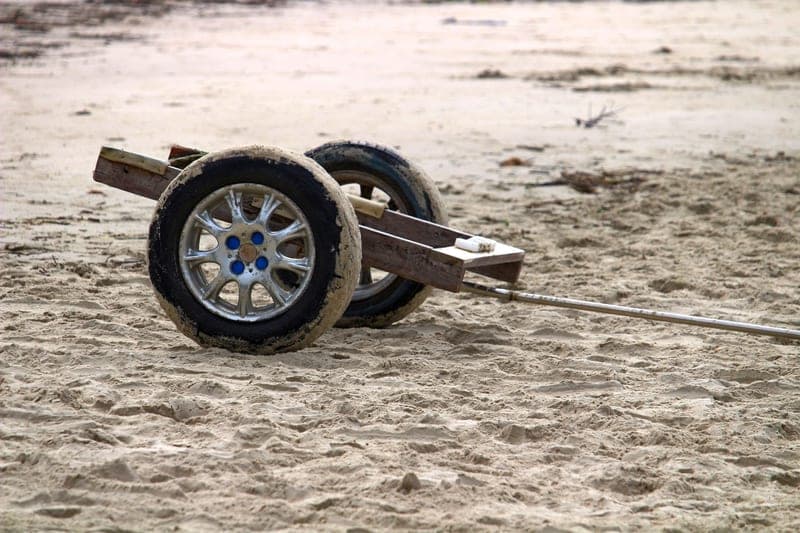
Best budget cart
Carts ranked by wheel type, folded size and published capacity — pick for your launch.
Best tie-down straps
Cam straps compared on published MBS and working load — and why not to use ratchets.
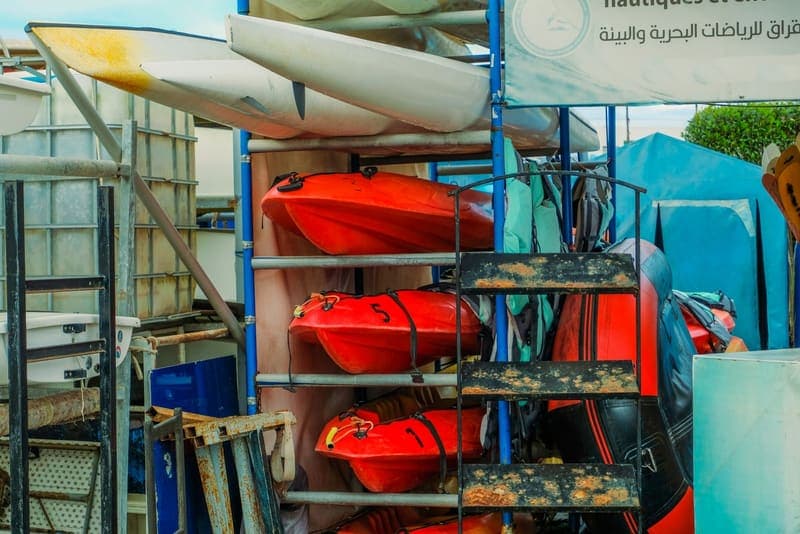
Best storage rack
Wall racks and slings compared on published capacity and hull support.
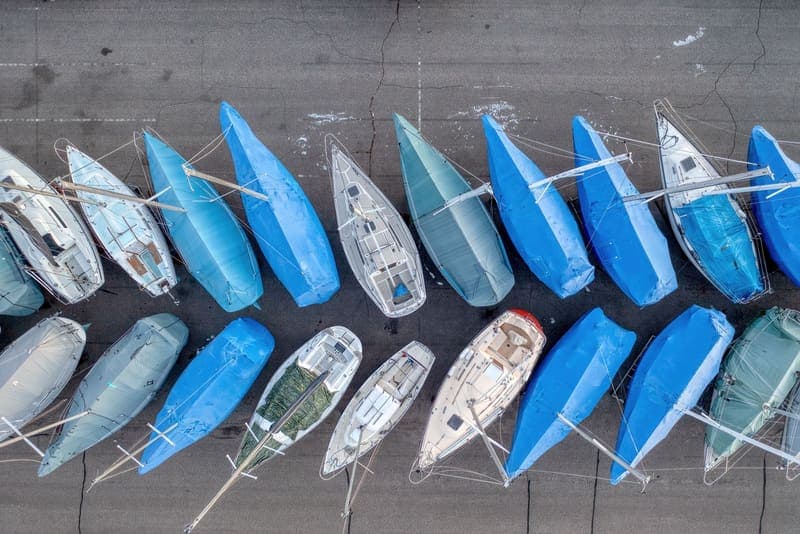
Best kayak cover
Full covers and cockpit covers, and how to rig one so it helps rather than hurts.
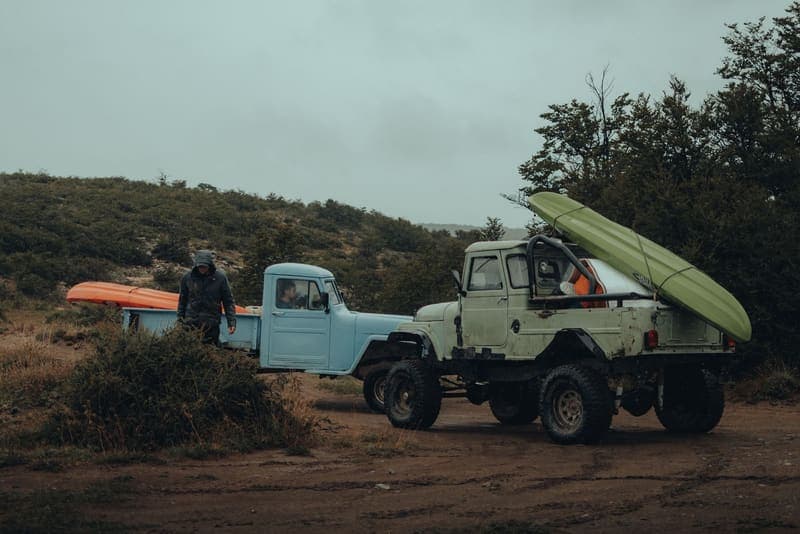
Best truck kayak rack
Bed extenders on published capacity, plus when the tailgate alone is enough.
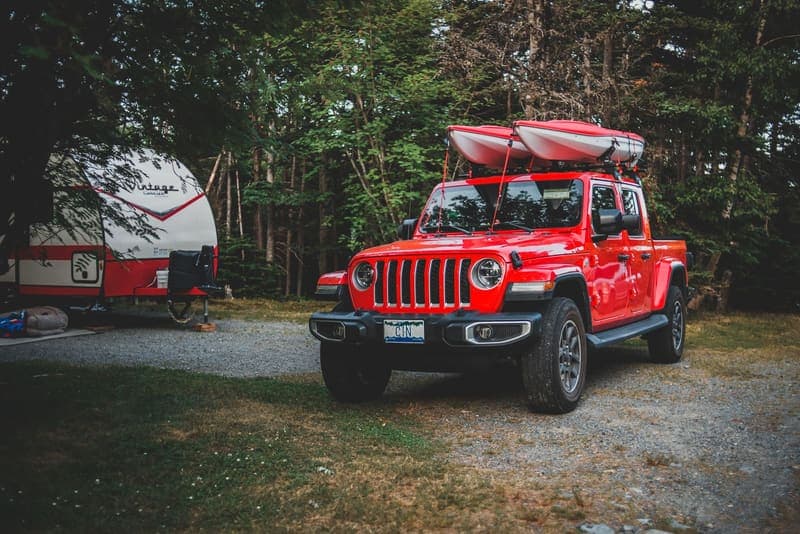
Best two-kayak rack
Stacker vs two cradles vs two saddles on published ratings and bar width.
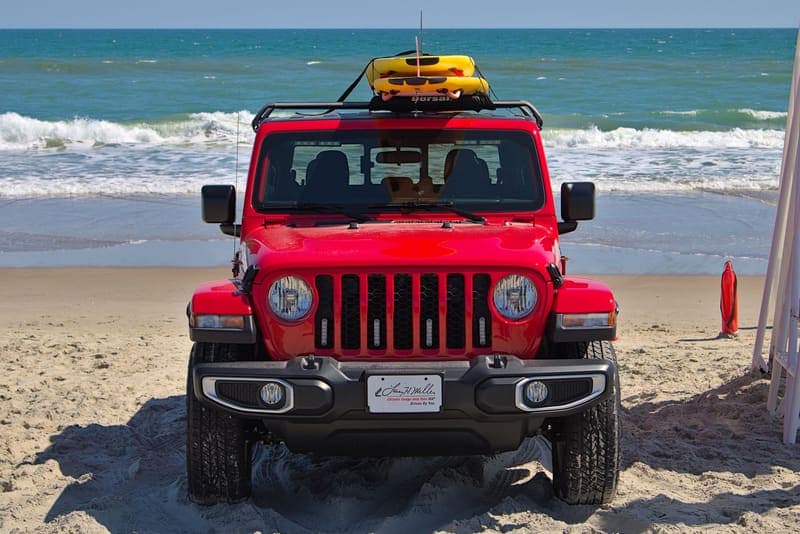
Best SUV kayak rack
Rear loaders, rollers and a lift assist, ranked on the lift each removes.

Best kayak hoist
Ceiling hoists on published capacity, pull ratio and ceiling height.
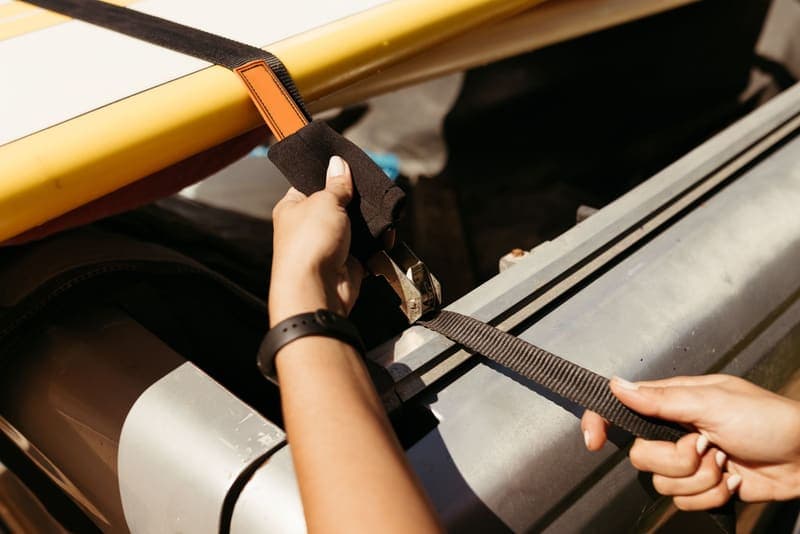
Best bow and stern tie-downs
Bow and stern line kits and hood loops, and what to anchor them to.
This is the biggest section on the site, and it is the biggest because it is where people get stuck. A used kayak is cheap. Discovering that your car cannot carry it is the expensive surprise, and it arrives about four days after the purchase.
Transport splits into three separate problems that people tend to run together. Getting it on the car is a rack problem. Keeping it there is a strap problem. Getting it from the car park to the water is a cart problem. They have different answers and different budgets, and buying the wrong one first is the classic mistake.
Every rack recommendation you will read assumes crossbars. Most cars do not have them. Work out which of the four situations you are in before you buy anything:
Carriers publish what they will hold, and the numbers vary far more than you would expect. Malone rates its SeaWing saddle at 70 pounds, its J-Pro2 J-cradle at 75, and its Stax Pro2 at 200 pounds total but only 50 pounds per boat. The foam block kit is rated at 55. A recreational sit-in kayak is usually somewhere between 35 and 60 pounds dry; a fishing sit-on-top with a raised seat can be 80 or more before you put anything in it.
So the two-kayak stacker, which sounds like the most capable option, has the lowest per-boat limit of the four. Check your specific hull weight against the specific carrier rating. That one step avoids most of the bad outcomes in this category.
Two rules, and they are both counterintuitive.
Use cam buckles, not ratchets. A ratchet gives you enough mechanical advantage to deform a polyethylene hull, and people do exactly that, usually on the first trip, usually without noticing until the boat has a permanent dent. A cam strap can only be pulled as tight as your arm, which is tight enough for a kayak and not tight enough to damage one.
Read both published numbers. Straps quote a minimum breaking strength and a working load limit, and they are not the same thing. The NRS 1" HD strap publishes 1,500 lb MBS with a 500 lb working load. Thule’s load straps publish a lower 1,125 lb break but a higher 750 lb working load when looped. Neither is simply “stronger” — and a strap that quotes only the flattering number is telling you something.
Whatever you buy, add bow and stern lines for highway speed. Two straps over the hull stop it lifting; the bow line stops it pivoting, and it is the one everybody skips.
A cart is the cheapest big upgrade in paddling, because carrying a 60-pound boat 300 yards is the thing that stops people going out. The selection rule is unusual though: you buy a cart for the ground it rolls on, not for the boat it carries.
Hard never-flat tires like the Malone Clipper TRX’s are ideal on concrete, gravel and packed dirt, and they trench straight into dry sand. Balloon wheels like the TRX-S’s float over sand and are bulky everywhere else. Published capacities cluster around 200–300 pounds, which is far more than any kayak needs, so capacity is rarely the deciding number. Fold size usually is: a cart that packs down to three inches goes in the boat with you, and a cart that does not has to be walked back to the car before you launch.
If you only read one page in this section, make it how to transport a kayak without a roof rack. It is the question most used-boat buyers actually have, and the honest answer is cheaper than most people expect.
Transport gets the attention and storage does most of the damage. Polyethylene creeps: under a constant load at a constant point, over long enough, it takes a set and does not come back. That is where the flat spot on the hull of a used boat came from, and it happened in a garage rather than on a roof.
The rule is short — on its side or upside down, supported about a third of the way in from each end, on something wide and padded. Whether that means a wall rack or a ceiling sling is a question about your building rather than your boat, and we compare the published capacities on the best kayak storage racks.
Three buying questions that arrive often enough to get their own pages. If the boat lives outside, a cover is the cheapest protection against UV there is — and laid straight on the hull it traps heat and does harm; how to rig one, and full cover against cockpit cover, is on the best kayak covers. If you drive a truck, the bed is already the rack and the question is overhang: a hitch bed extender is the cheap fix, on the best kayak racks for a truck. And if there are two boats, width decides before weight does — and the published per-boat rating on a stacker is the number nobody reads — on the best roof rack for two kayaks.
If you drive an SUV, the carrier is rarely the hard part — the roof height is. A J-cradle you have to lift a boat over at head height is the one that ends up in the garage. Rear loaders, rollers and a lift assist, ranked on how much of that lift each one actually removes, are on the best kayak racks for an SUV.
Three that are about the other end of the trip. The lines that stop a boat pivoting on the bars are a separate purchase from the straps, on the bow and stern tie-down roundup. When the boat gets home and the floor is full, a ceiling hoist is the remaining space — the kayak hoist roundup ranks them on published capacity and the brake that holds when you let go. And if it has to live outdoors, how to store a kayak outside covers what UV actually does to a hull.
If the shortlist has come down to two brands, the two closest J-cradles are compared on published capacity and what each includes in the box on Yakima versus Thule for carrying a kayak — with the value alternative that publishes the same rating for less.
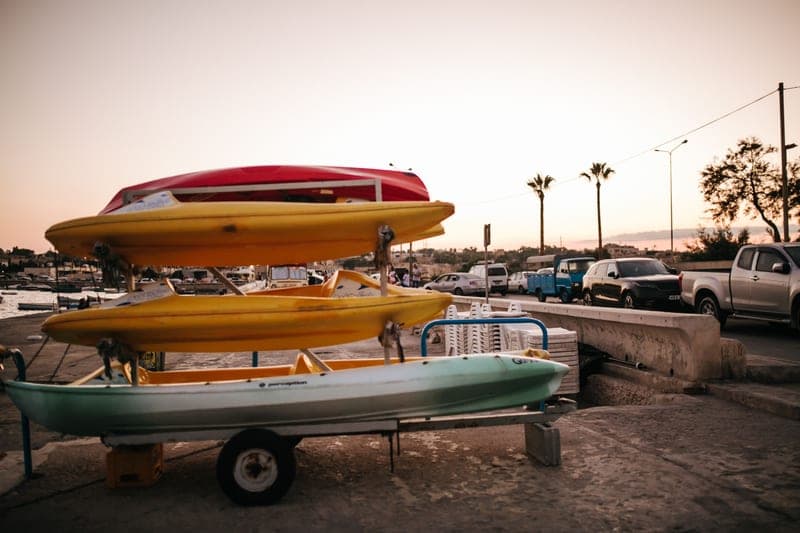
Head to head
On edge or flat: roof space, loading height and hull support compared.
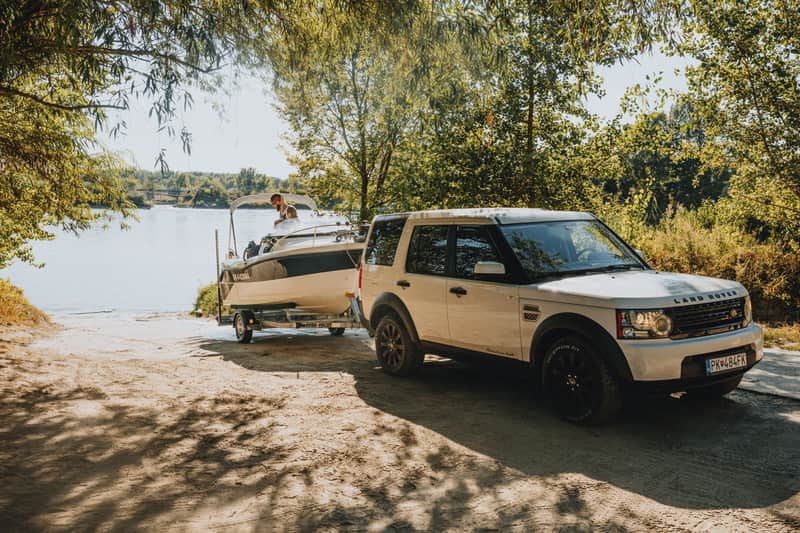
Head to head
Cost, lifting, boat count and storage — and when a trailer is genuinely worth it.

Guide
The six-step rig for a bare roof, and the three mistakes that make it unsafe.
Guide
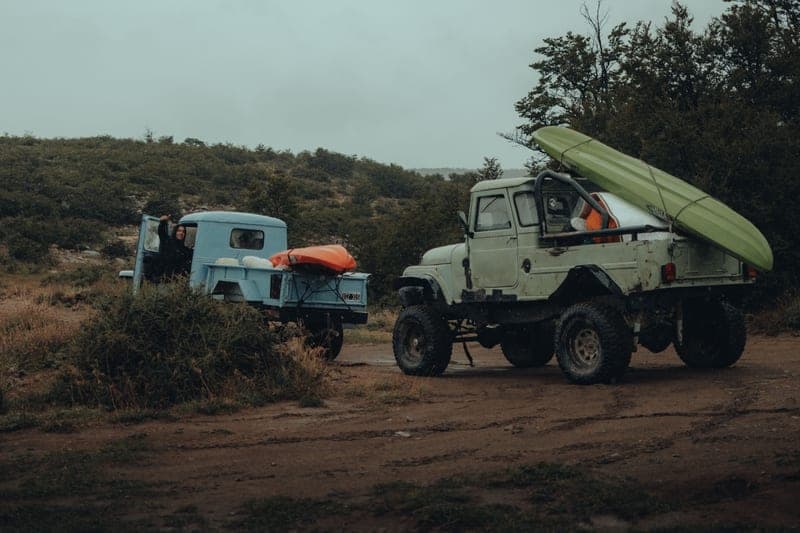
Overhang, flags and bed liners — the pickup method, done properly.
Guide
Short roofs, long overhangs, and the loading method for a small car.

Guide
What UV does to a hull, and the rack, cover and protectant that prevent it.

Head to head
The two closest J-cradles on published capacity and included kit.
FAQ
No. A foam block kit with proper straps carries a kayak on a completely bare roof, and Malone publishes a 55 lb load rating for its standard kit. That covers most recreational hulls.
What you do need, on any system, is two straps over the hull plus separate bow and stern lines. The hull straps stop the boat lifting; the bow line stops it pivoting, and it is the one people skip.
For a J-cradle, saddle or stacker, yes — those all clamp to crossbars and will not mount to bare roof or to side rails alone.
For foam blocks, no. They sit directly on the roof and the straps pass through the cabin. Side rails running front to back are not crossbars, which is the most common and most expensive misunderstanding in this category.
No. A ratchet gives you enough mechanical advantage to dent or permanently deform a polyethylene hull, and it happens more often than people admit.
Use cam buckle straps. A cam can only be tightened as hard as you can pull, which is sufficient for a kayak and cannot crush it.
We have not tested any of this gear, and we say so on every page. What is here is compiled specifications, cited sources and live prices. Read the method.