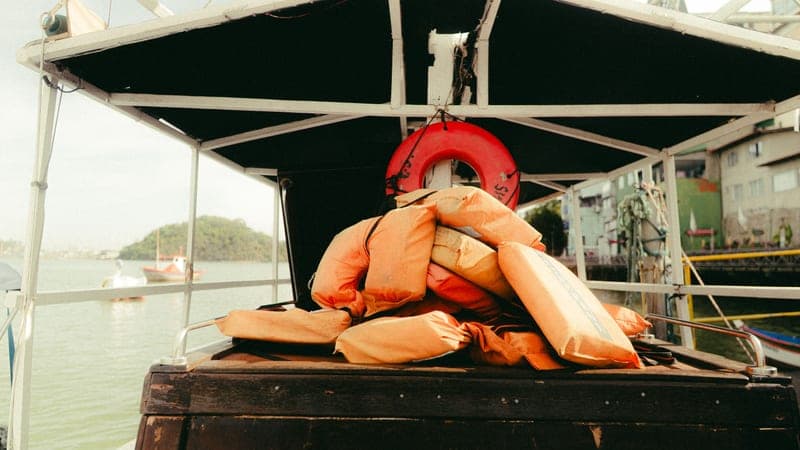
Best budget PFD
The best budget kayak life jackets
Six approved vests ranked on fit, mesh back panels and published buoyancy figures.
Section
The one piece of gear the law has an opinion about. Here is what approval actually means, what it costs, and which vests publish the numbers you need to compare them.
Disclosure: we earn a commission if you buy through the links on this page, at no extra cost to you. It does not change which products we pick or how we rank them. How this site is funded.
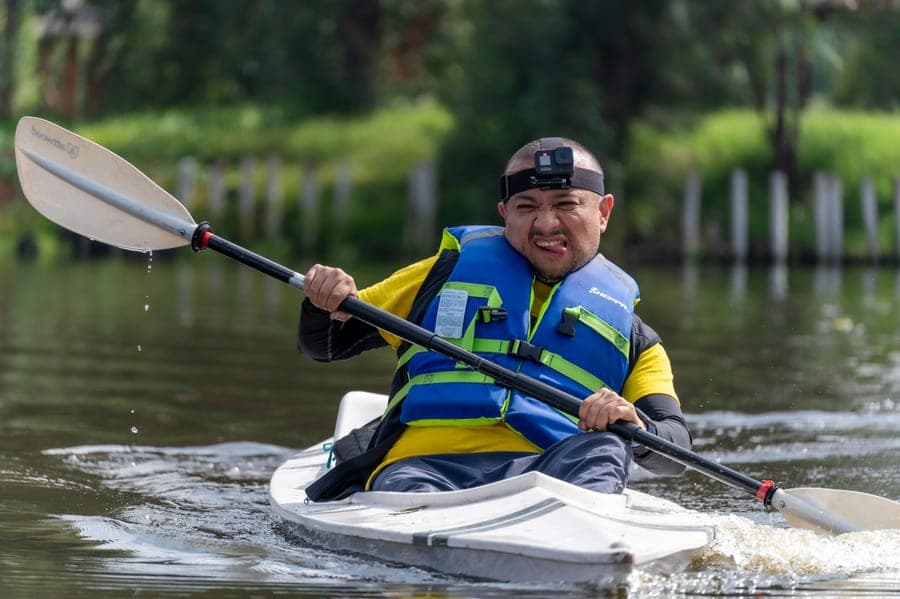
Best budget PFD
Six approved vests ranked on fit, mesh back panels and published buoyancy figures.
Best PFD over 48 inches
Vests with a published chest range past 48 inches — and the buoyancy to match.
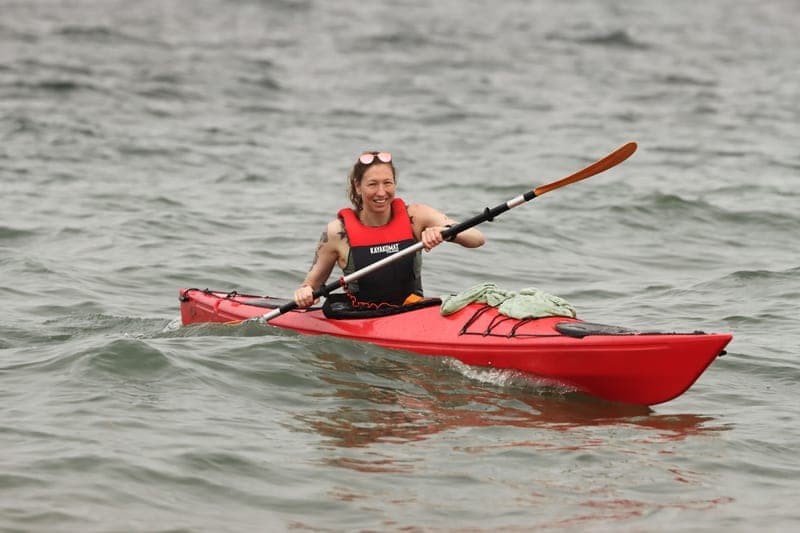
Best women's PFD
Women's-cut PFDs compared on published flotation, entry style and fit.
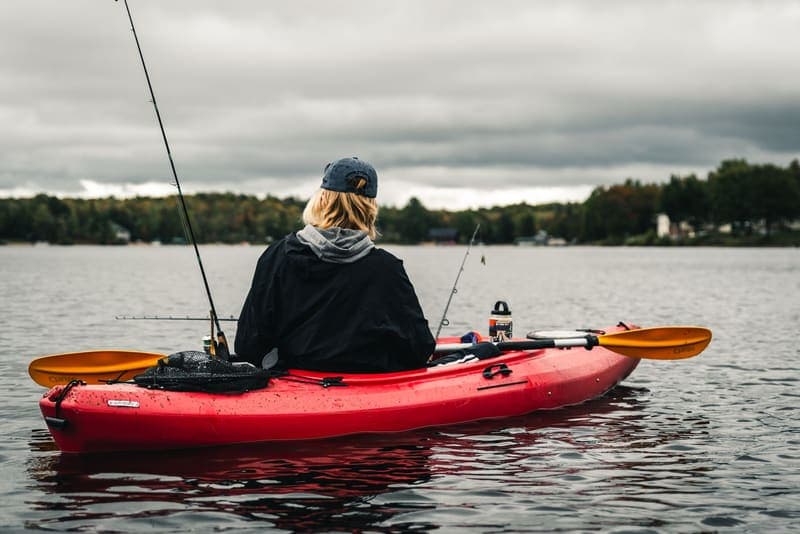
Best fishing PFD
Angling vests ranked on back-panel clearance, pocket layout and ventilation.
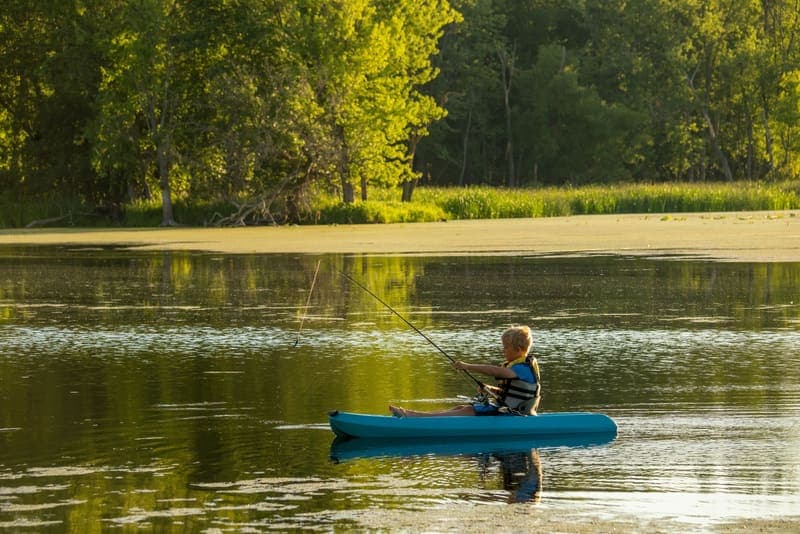
Best kids PFD
Kids vests ranked by weight band, retention and which brands publish buoyancy.

Best kayak light
All-round lights ranked on height, runtime and what they need to mount.
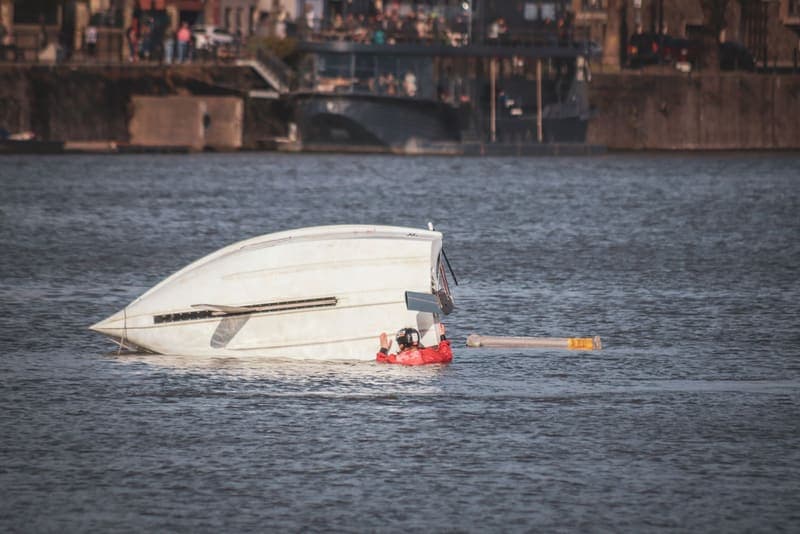
Best paddle float
Foam against inflatable on published specs, and the practice that makes either work.
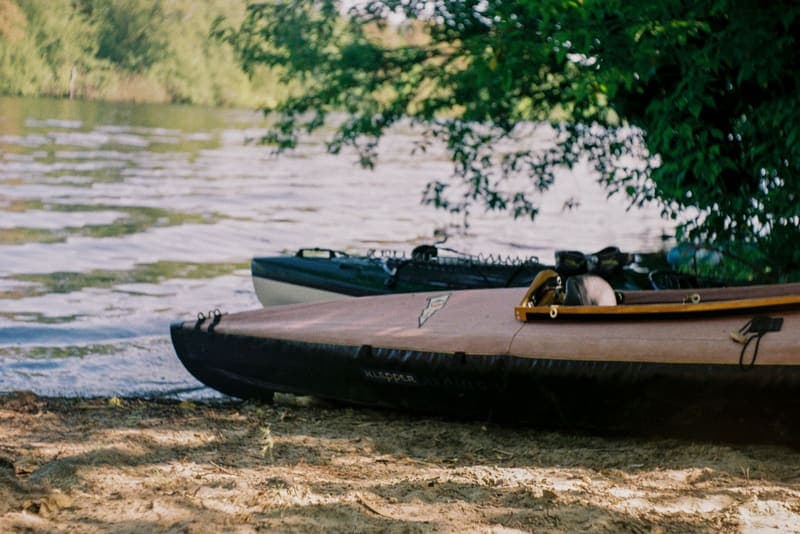
Best float bags
Float bags on published material and fit, and which boats actually need them.
A life jacket is the only thing on this site that a federal regulation has an opinion about. Everything else is comfort, convenience or money. This is the one where getting it wrong is a citation at best.
The rule is short. Under 33 CFR 175.15, every recreational vessel must carry one wearable Coast Guard–approved personal flotation device, in the correct size, for every person on board. A kayak is a vessel. The PFD has to be readily accessible, which in a boat with no lockers means it is on you or it is on the deck within reach. Several states go further and require it to be worn, usually by children and usually between fixed dates in spring and fall. We cover the detail on whether life jackets are required on kayaks.
“USCG approved” is not marketing language. It is a certification with a label sewn into the jacket, and that label is the only thing a warden looks at. The most common failure at the cheap end of the market is a vest that is sold for watersports, looks like a life jacket, and carries no approval at all — often described as a “flotation aid” or a “swim vest.” Turn the jacket inside out and read the label before you buy. If the listing does not show the label, assume the worst.
The second thing worth understanding is buoyancy. A Type III vest — the paddle-sport standard — provides a minimum of 15.5 pounds of flotation for an adult. That is enough to hold a conscious person’s head clear of calm water. It is not enough to turn an unconscious person face-up, which is what an offshore Type I is for. Almost every jacket in this section is a Type III, and for flat water on a warm afternoon that is the right choice.
Here is the part that matters for buying: most budget brands do not publish a buoyancy figure at all. Stohlquist publishes 16 lb for the standard Fit and 18 lb for the Oversize. Onyx, which makes the two most-recommended budget paddle vests in the country, publishes ventilation, shell fabric and pocket details and no buoyancy number whatsoever. That is not a scandal — the approval already guarantees the minimum — but it means you cannot compare two vests numerically unless you buy from a brand that publishes. We note which ones do on every card.
The best vest in the world is the one you have on when the boat goes over. Every drowning statistic in paddlesports says the same thing: most victims owned a PFD and were not wearing it. So fit is not a comfort question, it is a safety question with a comfort mechanism.
Three things to check. First, the lower back. A kayak seat back sits right where a standard vest puts a slab of foam, and the two fight each other for the whole trip. Every paddle-specific vest solves this with a mesh panel or a cut-out; a generic boating vest does not, and you will feel it inside an hour. Second, the armholes. Paddling is a rotational movement and a vest cut for sitting in a motorboat will bind at the shoulder on every stroke. Third, where it sits when it is wet and you are in the water. Grab the shoulders and pull up hard on dry land. If the jacket rises past your ears, it is too loose — tighten the side straps, not the shoulders.
Sizing on budget vests is coarse. Onyx sells three broad bands covering 28–56 inches; Stohlquist sells one Universal jacket covering 30–52 inches and a separate Oversize covering 48–60. Coarse sizing is why people end up between sizes, and being between sizes is why people stop wearing the thing. If you are near the top of a band, size up and take in the sides.
A PFD is not the whole legal picture. Most waters also require a sound-producing device — a whistle is enough, and several vests here include one — and after sunset you need a white light available to show to prevent a collision. The full list, with what each item actually costs, is on the kayak safety kit checklist, and the priced version is the legal minimum kit. A headlamp meets the light requirement; a white light held up on a mast is what gets you seen before anyone has to reach for one, and the three worth buying are on the best kayak lights.
One last thing on inflatables, because it is the question that comes up most. An inflatable belt or vest offers more buoyancy than any foam jacket here once it fires, and almost nothing on your torso until it does. It is also, in Onyx’s own published limitations, not approved for whitewater paddling and not approved for anyone under 16 or under 80 pounds. On flat water in August it is a legitimate choice. On moving water it is not, and no amount of comfort changes that. We lay the two side by side on inflatable versus foam kayak PFDs.
Fishing. An angling vest is an ordinary Type III with the back cut away to clear a raised seat and the front turned into storage. Both halves of that are trades rather than upgrades — the pockets are foam you are not wearing and bulk you are — and which way the trade falls depends on whether you keep tackle on your chest or in a crate. We rank four of them on the best kayak fishing life jackets.
Children. Kids’ vests are sized by body weight rather than chest, and under about 55 pounds the leg strap is the whole product — without one a jacket rides up over a child’s ears in the water. Which brands publish a buoyancy figure, and which weight band to buy, is on the best kayak life jackets for kids.
Dogs. A canine flotation aid is not a PFD in the legal sense — 33 CFR 175.15 covers people, and there is no Coast Guard approval category for animals, which NRS states plainly about its own product. Buy on published construction and girth instead, and buy for the handle: a dog that goes over the side of a sit-on-top cannot get back on without one. The gear, and the tethering rule that costs nothing, are on kayak accessories for dogs.
Getting back in. A life jacket keeps you floating; it does not get you back into the boat. If you paddle deep water alone, a paddle float turns your paddle into a temporary outrigger for a solo re-entry — foam against inflatable, and the one maker that publishes a displacement figure, is on the paddle float roundup.
And keeping the boat usable. A recreational sit-in with no bulkheads fills to the brim when it goes over, and a kayak full of water cannot be emptied or climbed into from the water. Float bags fill the empty ends so that never happens — which boats need them, and why one bag is never enough, is on the kayak float bag roundup.
Head to head
More buoyancy, less bulk, and published limits that exclude moving water.

Guide
The federal rule, what 'readily accessible' means on a kayak, and where wear is mandatory.
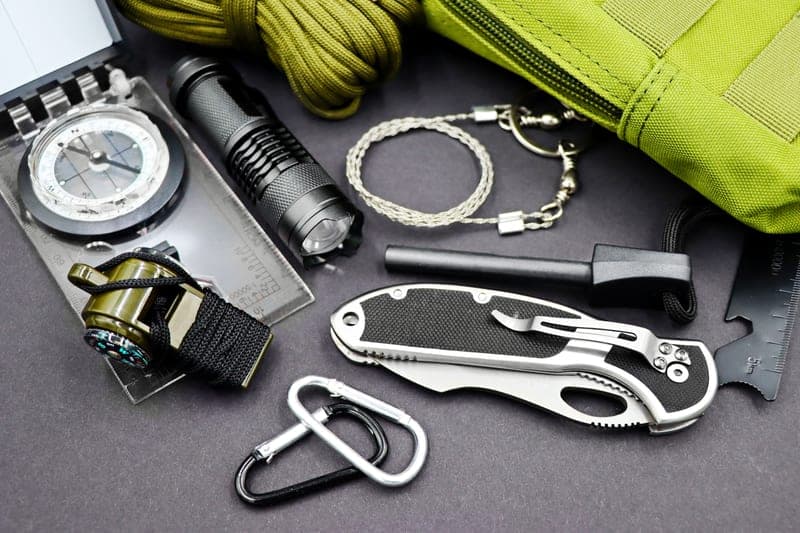
Guide
The required items, the genuinely useful ones, and the padding to skip.

Guide
The strap order, the lift test, and what to do when you fall between sizes.
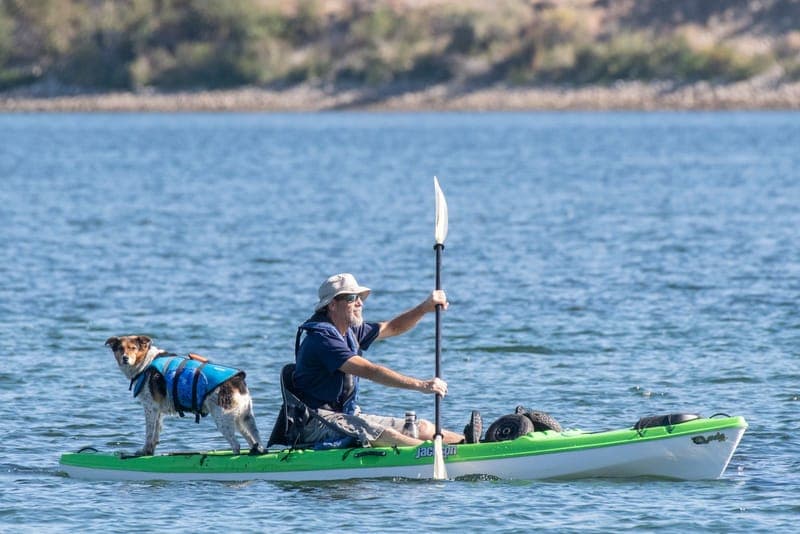
Guide
Dog flotation aids sized by girth, deck grip, and the tethering rule.
FAQ
Yes. Under 33 CFR 175.15 every recreational vessel, including a kayak, must carry one wearable Coast Guard-approved personal flotation device in the correct size for every person on board. It must be readily accessible, which on a kayak effectively means worn or on the deck within reach.
Several states go further and require the PFD to be worn rather than carried, most commonly for children and most commonly during a defined cold-water season. Check your own state before you launch.
A Type III adult PFD provides a minimum of 15.5 pounds of buoyancy, which is the paddle-sport standard and is enough to hold a conscious person's head clear of calm water.
Most budget brands do not publish a figure above that minimum. Stohlquist publishes 16 lb for the Fit and 18 lb for the Fit Oversize. Onyx does not publish a buoyancy figure for its paddle vests at all, so you cannot compare them numerically.
Almost always because the side straps are loose and the shoulder straps are doing the work. Tighten from the bottom up: waist first, then sides, then shoulders last.
If it still fights you, the problem is the back panel. A general boating vest puts solid foam exactly where a kayak seat back sits. Paddle-specific vests use a mesh lower back to clear the seat, and that is the single feature worth paying for.
We have not tested any of this gear, and we say so on every page. What is here is compiled specifications, cited sources and live prices. Read the method.