Kits
The used kayak rescue kit
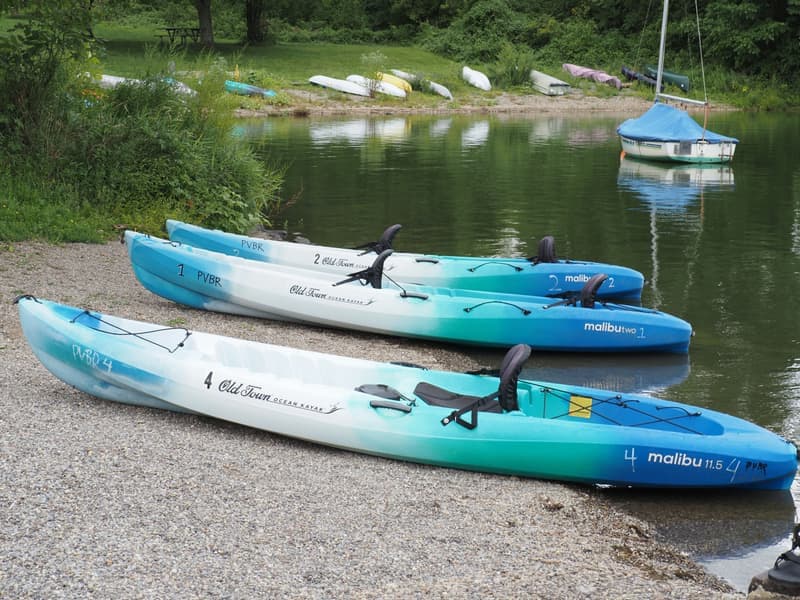
For the boat that has been behind a garage since 2019. Assume the seat is gone, the rigging is perished, and nothing that came with it is still there.
Disclosure: we earn a commission if you buy through the links on this page, at no extra cost to you. It does not change which products we pick or how we rank them. How this site is funded.
The bill of materials
What is in this kit
| # | Item | Why it is on the list | Price |
|---|---|---|---|
| 1 | 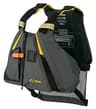 Onyx MoveVent Dynamicfrom our best budget kayak life jackets pick Onyx MoveVent Dynamicfrom our best budget kayak life jackets pick | The old vest is not usable. UV-degraded foam and perished straps fail the 'serviceable condition' requirement. | $66.32View on Amazon |
| 2 |  Bending Branches Whisperfrom our best budget kayak paddles pick Bending Branches Whisperfrom our best budget kayak paddles pick | The paddle is the first thing a seller keeps or loses. Assume it is gone. | $79.95View on Amazon |
| 3 | Surf to Summit GTS Elitefrom our best kayak seat upgrades pick | 18-inch back with four tension locks. On a neglected boat the seat is usually missing or perished. | Check price on Amazon |
| 4 | Harmony Scupper Stoppersfrom our kayak scupper plugs pick | Rubber perishes in UV. Plugs left in for years come out hard and cracked. | Check price on Amazon |
| 5 | 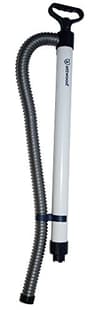 Attwood Hand Bilge Pumpfrom our kayak bilge pump guide pick Attwood Hand Bilge Pumpfrom our kayak bilge pump guide pick | A boat that has taken on water once will again. Up to 8 gallons a minute. | $39.99View on Amazon |
| 6 |  Malone Standard Kayak Foam Block Kitfrom our best budget kayak roof racks pick Malone Standard Kayak Foam Block Kitfrom our best budget kayak roof racks pick | You still have to get it home and then to the water. | $46.27View on Amazon |
| Partial total | $232.53 | ||
Check the hull before you spend anything
This kit assumes the boat is worth rescuing. Confirm that first, because one of the four checks below is a walk-away.
Light through the hull. Hold it up. Check the bow, the stern, the scupper tubes and around every fitting. A through-crack in polyethylene needs plastic welding, which is specialist work and costs real money on a cheap boat.
Water inside. Lift the bow and listen for sloshing. Water in a cavity that should be sealed means an existing leak — usually a cracked scupper tube or an old bolt hole. Fixable, but find it now.
Deformation. Sight along the hull from the bow. A boat stored on its side against a wall, or strapped down hard on a hot roof, can hold a permanent flat spot or twist. Mild dents often relax in the sun; a twist does not.
Brittleness. This is the walk-away. Heavy fade plus a chalky surface that leaves powder on your finger means years of UV exposure. Press firmly on a large flat panel: it should flex and spring back. If it feels stiff and crackles, the plastic has gone, and no amount of kit fixes that.
The full inspection is on what to fix on a used kayak.
Flotation is the check nobody makes
On a sit-in with no sealed bulkheads, the single most consequential thing about the boat is whether anything stops the ends filling with water. A swamped hull cannot be emptied from the water and cannot be climbed into.
Look inside both ends before the first trip. If they are open and empty, float bags are the fix, and which boats need them is on the kayak float bag roundup.
Buying this for somebody else
If you are assembling any of this as a gift rather than for yourself, the constraint changes: most kayak gear is sized to a person or a hull, and a guess usually ends up unused.
The things that fit any paddler and any boat, and the four categories to avoid entirely, are on gifts for kayakers.
What always perishes, and what usually survives
Neglect is predictable. The pattern on a boat that has sat outdoors for years is consistent:
Perishes, every time: bungee cord and deck rigging (elastic dies in UV and ten-year-old cord has no stretch left), rubber scupper plugs, hatch seals, and any foam — including the foam in an old life jacket. An inherited inflatable paddle float belongs on that list too: check it holds air before you count on it, and the replacements worth buying are on the paddle float roundup.
Usually survives: the hull itself, strap webbing, stainless hardware, and the molded seat pan.
Usually missing: the paddle, the PFD, the seat, and any rod holders or fittings the previous owner could unbolt.
The old life jacket is not usable
Worth being explicit, because people try to keep it.
A PFD that has spent years in a shed has degraded foam, perished stitching and UV-damaged webbing. Beyond the safety question, it fails the “good and serviceable condition” requirement in 33 CFR 175.15, so it does not satisfy the legal carriage requirement either.
A PFD is a consumable with a service life. If it came with the boat and the boat has been outside, replace it.
Why this kit specifies a full seat
The other kits on this site specify a gel cushion, because most seat complaints are pressure rather than support.
A neglected boat is different: the seat is frequently gone entirely, or reduced to a molded pan with perished straps. There is nothing to put a cushion on. Surf to Summit publishes an 18-inch back panel with four independent tension locks on the GTS Elite — two for lumbar, two for forward lean — and its own cushion, so it is one purchase rather than two.
Check the original first, though. If the pan is intact and only the straps and buckles have failed, replacement webbing and buckles cost almost nothing. That is the cheapest possible outcome and it is common.
The cheap jobs to do before the first trip
- Replace all deck bungee and rigging cord. Costs very little, takes an evening, and restores every place you stow things.
- Seal every abandoned hole from removed hardware. Plastic hole plug or a stainless bolt with a rubber well nut, both bedded in marine sealant.
- Check hatch seals and put a dry bag inside the hatch regardless. Most sit-on-top hatches are splash-resistant at best.
- Wash it properly. Years of grime hides cracks. Do this before the inspection above, not after.
What this kit deliberately leaves out
- A cart. Not because it is unnecessary — it is on the first season kit — but because this list is already the most expensive of the three and the cart is the easiest line to defer to next month.
- Cold-water clothing. Same reason as the other kits: it depends entirely on your water and season, and pricing one option would mislead.
- Plastic welding or professional hull repair. If the boat needs it, that changes the economics of the whole purchase and it belongs in the buying decision rather than in a kit list.
- New hatch covers. Brand-specific and often surprisingly expensive. A dry bag inside the hatch is the cheap answer and it is what most people do anyway.
Is it worth it?
Usually, yes. A sound polyethylene hull is the expensive part of a kayak and it is also the part that survives neglect best. Everything on this list is a consumable that was always going to need replacing eventually.
What changes the maths is the walk-away check — brittleness — and a boat needing structural repair. Both are reasons to negotiate hard or to leave it, and the negotiation is the subject of what a used kayak is worth.
FAQ
Questions people actually ask
Can you still use an old life jacket that came with a used kayak?
No, if the boat has been stored outdoors for years. Foam degrades, stitching perishes and webbing suffers UV damage.
Beyond the safety question, a degraded jacket fails the 'good and serviceable condition' requirement in 33 CFR 175.15, so it does not satisfy the legal carriage requirement either. A PFD is a consumable with a service life.
How do I know if a neglected kayak is worth buying?
Four checks. Hold it up and look for light through the hull. Lift the bow and listen for sloshing water inside. Sight along the hull for a permanent flat spot or twist.
Then the walk-away: heavy fade plus a chalky surface that powders on your finger means years of UV. Press a large flat panel — it should flex and spring back. If it feels stiff and crackles, the plastic has gone and no kit fixes that.
What always needs replacing on an old kayak?
Anything elastic or rubber. Bungee cord and deck rigging lose their stretch entirely in UV, scupper plugs go hard and crack, hatch seals perish, and foam degrades — including the foam in an old life jacket.
What usually survives is the hull itself, strap webbing, stainless hardware and the molded seat pan. Check the pan before buying a whole new seat; often only the straps and buckles have failed.
We have not paddled with any of this gear. Everything above comes from published specifications, cited manuals and live retailer prices. Here is exactly how we pick.
Sources
Read next
Related on Drift & Dime
Outfitting
What to fix on a used kayakWhat matters on a second-hand hull, what is cosmetic, and what to walk away from.
Kits
What a used kayak is worthValuing a second-hand hull, and using what is missing to negotiate.
Kits
The first season kayak kitLegal minimum plus what keeps you paddling — eight lines, priced.
Outfitting
Kayak scupper plugs, and when not to use themSizing, fitting, and the conditions where plugs become a hazard.